Tall Girl Style

Dressing to celebrate your height

Tall Girl Style: How to Dress and Own Your Height

2026-07-11

Quick Answer: Tall frames carry volume and drama that overwhelm shorter ones — lean into wide-leg trousers, maxi dresses, and oversized coats. The real challenge is length, not shape: shop by measurements rather than size names, look for 34”+ inseams, and treat anything slightly short as intentional cropping.

Being tall is genuinely an advantage in clothes. The proportions that stylists spend their careers faking — long legs, a long line, presence — you got for free.

What you didn’t get is a fashion industry that measures anything consistently. Sleeves stop at your forearm. “Midi” means something else on you. And “one size” was drafted on someone 5’5”.

So the tall styling problem was never about what suits you. It’s about arithmetic.

Tall Girl Style: How to Dress and Own Your Height

What styles look best on tall women?

The dramatic ones. The pieces that swallow other people fit you.

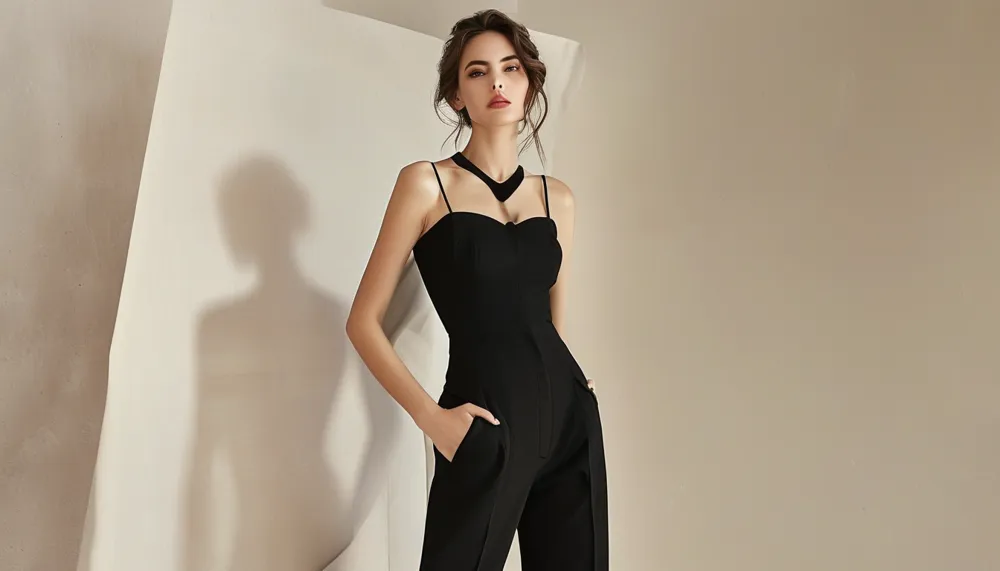
Wide-leg and palazzo trousers. These need vertical space to read as elegant rather than as fabric. On a long frame, they read exactly as intended.

Maxi dresses and long coats. A full-length coat is a striking silhouette that requires height to avoid looking like a costume. It’s a tall-frame home run.

Oversized and volume pieces. A big shirt, a slouchy knit, a voluminous sleeve — the extra fabric has somewhere to go.

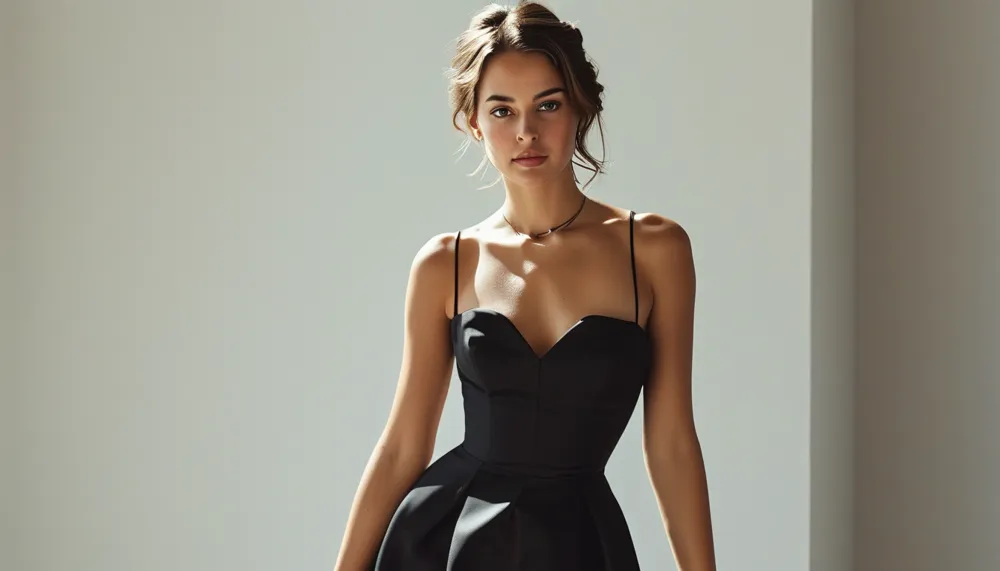
Head-to-toe monochrome. An unbroken column of one color on a long frame is one of the most genuinely striking things in fashion.

Column and long-line silhouettes. Duster cardigans, longline blazers, floor-skimming skirts.

The one principle underneath: where a shorter frame usually has to balance volume with something fitted, you have room to let volume simply exist. Where others get overwhelmed, you get elevated.

Styling flat lay

How do I solve the length problem?

Stop shopping by size name and start shopping by numbers. That single change fixes most of it.

Know your measurements. Write them in your phone: your inseam, your arm length shoulder-to-wrist, your torso length, and the skirt length that hits where you want. Then check garment specs against those instead of trusting “regular” or “long.”

The numbers that usually work:

  • Trousers: 34–36” inseam for full length on most tall frames
  • Midi skirts and dresses: 45”+ total garment length for a true midi
  • Maxi: 55”+
  • Sleeves: check “sleeve length from shoulder”; most standard tops run 2–3” short

Brands that publish full measurements are worth loyalty. Two reliable ones beat twenty gambles, and building that roster once solves the problem permanently.

And when something is a little short — commit to it as a choice. A trouser that lands mid-ankle is a cropped trouser if you wear it with a shoe that makes sense there. A sleeve that ends at your forearm is a bracelet sleeve if you push both sleeves up to match. The only thing that looks wrong is a garment that’s ambiguously short — clearly meant to be full length and clearly failing. Push it into the next category and it works.

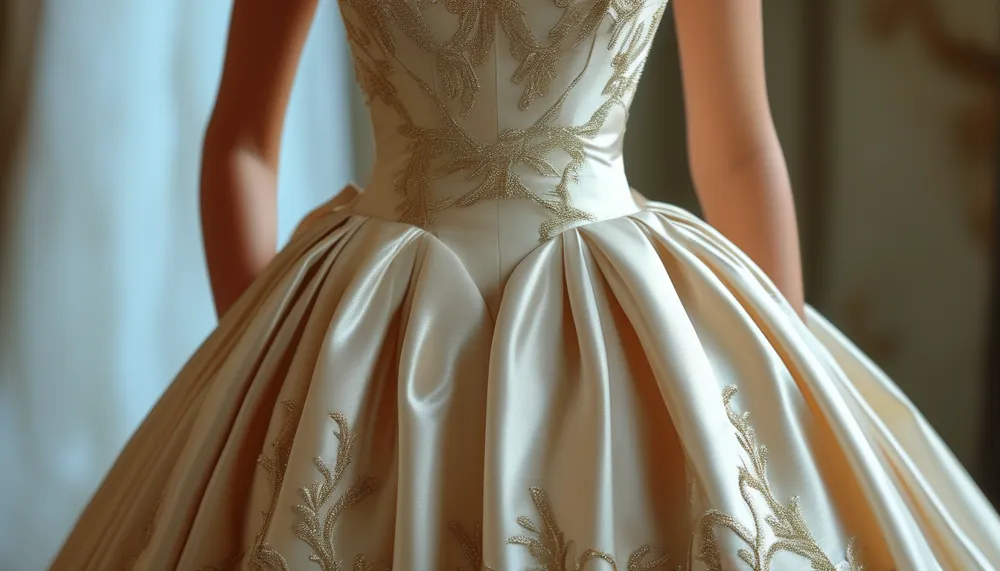
Point detail

How should tall women play with proportion?

Freely. You have more room than almost anyone, and the usual rules were written to solve a problem you don’t have.

Things you can do that shorter frames usually can’t:

  • Head-to-toe volume — an oversized top with wide-leg trousers, no fitted element anywhere
  • Dramatic layering — three or four visible layers of different lengths, which needs vertical space to stay legible
  • Long over long — a duster coat over a maxi dress
  • Low-contrast horizontal breaks — a belt or a color change at the waist that would visually shorten a smaller frame barely registers on yours

The one thing worth watching: a very short hem with a very tall frame reads shorter than it is, simply because the leg is longer. That’s not a rule against minis, just a reason to check the mirror rather than the tag.

And in activewear the length problem shows up too — most leggings run 2–3 inches short on a tall frame, which is why they creep at the ankle. Look for a high waist yoga pant in a tall or 31”+ inseam, or lean deliberately into a cropped or 7/8 length so the shortness is the design rather than an accident.

What matters more than any styling rule?

How you stand.

The most common tall-girl styling problem isn’t a hem — it’s a lifetime of slightly hunching to close the gap in group photos. And nothing undoes a good outfit faster than a collapsed posture, because clothes are cut for a body that’s holding itself upright.

Stand at full height. Shoulders back, chin level. Every garment you own fits better instantly, and the presence that comes with height only works if you’re actually using it.

Wear heels if you love them — plenty of tall women do, and the “already tall enough” comment is not a rule. Wear flats if you prefer, and buy good ones; a well-made loafer or a sharp boot carries as much authority as a heel.

Owning your stature is what makes any outfit look incredible. It’s also the only part of this that costs nothing.
Style guide

What Nobody Tells You

Tailoring works in one direction only. Almost anything can be shortened; very little can be lengthened. So when you’re between options, buy the longer one — a hem is a $15 fix, and a too-short garment is unfixable.

Rise matters as much as inseam. Tall frames often have a long torso as well as long legs, and trousers that fit the leg can still sit two inches too low at the waist. Check the front rise measurement; it’s the thing that quietly ruins otherwise-correct trousers.

Men’s and unisex sizing is a legitimate shortcut for shirts, knits, and outerwear, where sleeve length is the usual failure point.

Sleeve length on outerwear is the hardest thing to solve and the most worth spending on. A coat with short sleeves looks wrong no matter how good the coat is, and it’s the one alteration that’s rarely straightforward.

FAQ

What should tall women avoid wearing?

Very little, honestly. The only genuine watch-outs are ambiguously-short garments (a full-length trouser landing awkwardly at mid-calf) and outerwear with sleeves that don’t reach your wrists. Both are length issues, not style ones. Every silhouette rule you’ve been told to avoid — horizontal stripes, volume, layering — works fine on a long frame.

Where can I find clothes with long enough inseams?

Look for brands with dedicated “tall” ranges, filter by inseam wherever the option exists, and prioritize retailers that publish full garment measurements. Reading reviews from shoppers who list their height (5’9”+) is the fastest way to vet a new brand before ordering.

Should tall women wear heels?

Entirely your call, and both answers are correct. Height is not something you need to manage down. If you like heels, wear them; if you’d rather not, invest in flats with real structure — loafers, sleek boots, clean leather sneakers — which read just as deliberate.

How do I stop looking gangly in oversized clothes?

Usually the fix isn’t less volume, it’s better fabric. Oversized pieces in structured or heavier fabric hold their shape on a long frame; the same shape in thin, clingy fabric hangs limply and reads sloppy. Add one defined point — a cuff, a belt, a tucked front — if you want an anchor.

TL;DR:

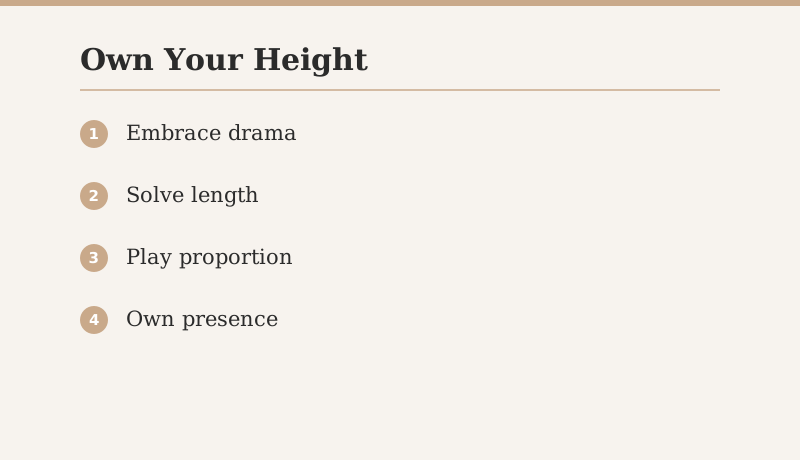
  • Lean into drama — wide-leg, maxi, oversized, long coats, monochrome columns
  • Shop by measurements, not size names: 34”+ inseam, 45”+ midi, 55”+ maxi
  • Anything slightly short should be styled as deliberately cropped
  • Play freely with volume and layering — you have the vertical space
  • Buy long and tailor down; lengthening is rarely possible
  • Check the front rise, not just the inseam
  • Stand at full height — it’s the styling tip that costs nothing

Your height is an advantage. Dress like you know it.

Keep Reading

This article is for general styling and informational purposes only. Trends, sizing, availability and pricing may vary by brand and season.

← All articles